Adimurai is the empty-hand fighting art of the far south of Tamil Nadu: strikes, kicks, blocks, locks and escapes, built on footwork. Lemuria VAWO teaches it in Kanyakumari, with trial classes for students and masters.
Its advanced stage, varma adi, applies the knowledge of the varmam and is taught with restraint. At Lemuria VAWO, Adimurai is taught alongside Silambam, the staff art, as one path from the first class.
Before you start
Everyone begins with conditioning, stances and footwork. No experience is needed.
Trial classes are held for students and masters. Book a place and the team will call you.
What the name means, the border country it comes from, how it is trained and how to start.
Adimurai at a glance
In Tamil
அடிமுறை (Adimurai)
Meaning
The method (murai) of striking (adi)
Home region
Kanyakumari and Tirunelveli districts, and south Kerala
Core
Strikes, kicks, blocks, locks and escapes
Advanced stage
Varma adi: the varmam within the art
Where we teach
Thaikalam, Kanyakumari District
Trial classes
For students and masters
Last reviewed
01
What the name means
Adimurai joins two Tamil words: adi, to strike, and murai, method. It is the method of striking, the empty-hand fighting art of the far south of Tamil Nadu. Its preliminary work of strikes and blocks is often called adithadai, a name sometimes used for the art as a whole.
02
The border country it comes from
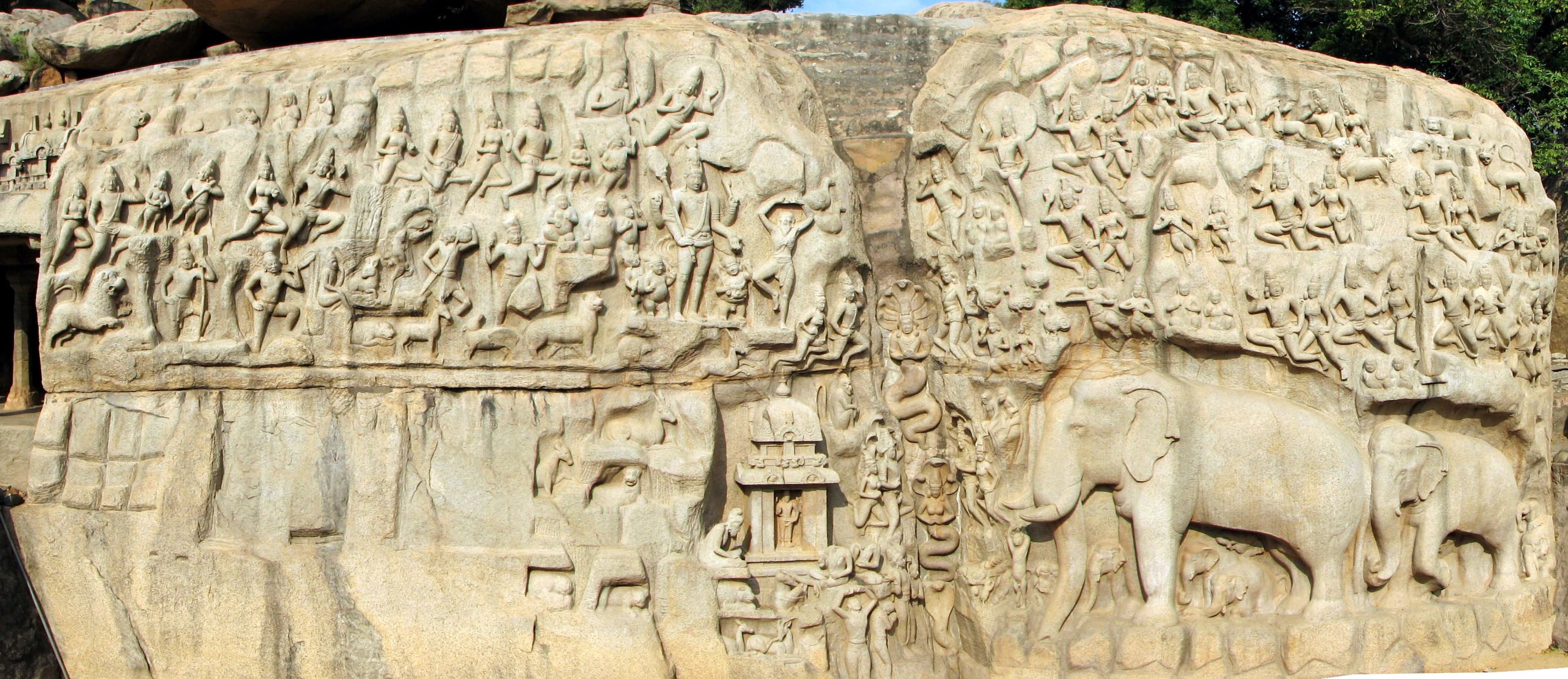
Adimurai was historically practised in the Kanyakumari and Tirunelveli districts and the neighbouring parts of Kerala. Kanyakumari itself belonged to the princely state of Travancore until 1956, when it joined what is now Tamil Nadu, which is one reason the arts of this border country share vocabulary with south Kerala's.
Tamil tradition attributes the varmam knowledge at the heart of the art to the sage Agastya and the Siddhars, and much of that knowledge survives as verse on palm-leaf manuscripts.
03
How Adimurai is trained
Training builds in a fixed order, and nobody skips the beginning:
Conditioning, stances and footwork patterns (chuvadu).
Basic strikes, kicks and blocks, drilled alone and then with a partner.
Combinations, then locks and escapes, as control improves.
Contact, introduced gradually and always under supervision.
04
Varma adi: the advanced stage
The application of the varmam within Adimurai is called varma adi. It belongs to the advanced stages, and is taught with restraint to students the instructor judges ready. It is never taught for use on someone outside training, and nothing on this site is instruction in it.
05
Adimurai and Silambam, taught together
At Lemuria VAWO the empty hand and the staff are one path. Both start from the same footwork; Silambam trains timing and distance with a weapon, and Adimurai trains the body itself. Students usually learn the two side by side.
06
Safety and contact
Tell your instructor about any injury, health condition or medication before training, and again if anything changes. Partner drills are supervised, contact is added gradually, and you can stop at any time.
07
Starting Adimurai at Lemuria VAWO
No experience is needed. Trial classes are held for students and for masters (asans) of the arts; book a place and the team will call you to confirm the batch. Wear loose clothing you can squat and stretch in. An Adimurai uniform is available from the Lemuria Shop, but you do not need one for your first class.
03The path
Three stagesof training
How an Adimurai student moves from the first stance to the advanced study of the varmam.
The foundations, core training and advanced study of Adimurai compared by focus, practice, contact, what is learned alongside and who reaches each stage
Aspect
Foundations
Core training
Advanced study
Focus
Conditioning, stances and footwork (chuvadu)
Strikes, kicks and blocks; then combinations, locks and escapes
Varma adi: the varmam within the art
Practised
Alone and in groups
Alone, then with a partner
With an instructor, as they judge ready
Contact
None
Introduced gradually, under supervision
Controlled and supervised
Alongside
Silambam footwork
Silambam staff work
Varmakalai and its healing side
Who
Every new student
Students who have the foundations
Students the instructor judges ready
Foundations
Focus
Conditioning, stances and footwork (chuvadu)
Practised
Alone and in groups
Contact
None
Alongside
Silambam footwork
Who
Every new student
Core training
Focus
Strikes, kicks and blocks; then combinations, locks and escapes
Practised
Alone, then with a partner
Contact
Introduced gradually, under supervision
Alongside
Silambam staff work
Who
Students who have the foundations
Advanced study
Focus
Varma adi: the varmam within the art
Practised
With an instructor, as they judge ready
Contact
Controlled and supervised
Alongside
Varmakalai and its healing side
Who
Students the instructor judges ready
The pace depends on the student. There is no fixed timetable, and the instructor decides when a student moves on.
04Glossary
Words ofthe empty hand
The Tamil terms an Adimurai student hears from the first class to the advanced stages.
Adimuraiஅடிமுறை
The Tamil empty-hand fighting art of the far south. Its name joins adi (to strike) and murai (method): the method of striking.
Adithadaiஅடிதடி
Strike and block: a name for the preliminary empty-hand work of Adimurai, sometimes used for the art as a whole.
Chuvaduசுவடு
A footwork pattern. The stepping sequences of Silambam and Adimurai are learned as chuvadu before speed or power is added.
Varmamவர்மம்
A vital point of the body as the tradition names and maps it. The traditional count is 108 principal varmam.
Varmakalaiவர்மக்கலை
The art of the varmam. It has a martial side, taught at an advanced stage, and a healing side, varma vaidyam.
Asanஆசான்
A teacher or master of the martial arts. Students learn from an asan in person, and the lineage is traced through its asans.
Kalariகளரி
A traditional training ground. Varmakalari, in the organisation's name, joins varmam (the vital points) with kalari.
Begin with the stance
Trial classesfor students and masters
No experience is needed. Book a place, and the team will call you to confirm where and when the next trial batch meets.
Adimurai is the Tamil empty-hand fighting art of the far south of Tamil Nadu, historically practised in the Kanyakumari and Tirunelveli districts and nearby Kerala. Training builds from stances and footwork to strikes, kicks and blocks, then to combinations, locks and escapes.
What does Adimurai mean?
It joins two Tamil words: adi, to strike, and murai, method. Adimurai is the method of striking.
Is Adimurai the same as Kalaripayattu?
No. Adimurai is a Tamil art of the far south; Kalaripayattu is the martial art of Kerala, with its own forms, weapons and marma tradition. Kanyakumari belonged to Travancore until 1956, so the arts of this border country share some vocabulary with south Kerala's, but they are taught as separate systems.
What is varma adi?
Varma adi is the application of the varmam, the vital points, within Adimurai. It belongs to the advanced stages and is taught with restraint to students the instructor judges ready, never for use outside training.
Is Adimurai good for self-defence?
Adimurai trains empty-hand strikes, blocks, locks and escapes, together with footwork, distance and awareness. That ability comes from regular, supervised practice over time, not from a few classes.
Who can learn Adimurai?
Beginners of any background can start, since training begins with conditioning, stances and footwork. Ask the team which batch suits you, and tell your instructor about any injury or health condition. A parent or guardian's consent is needed for children.
How long does it take to learn Adimurai?
There is no fixed timetable. The basic strikes and blocks come early, but control, combinations and partner work take regular practice over months and years, and varma adi belongs to the advanced stages.
What should I wear to an Adimurai class?
Loose, comfortable clothing you can squat, step and stretch in. An Adimurai uniform is available from the Lemuria Shop, but you do not need one for your first class.
Where can I learn Adimurai in Kanyakumari?
Lemuria VAWO teaches Adimurai from Thaikalam, its home ground near Marungoor in Kanyakumari District, about 11 km east of Nagercoil. Classes are listed on the Classes page, and beginners are welcome.
Are there trial Adimurai classes?
Yes. Lemuria VAWO holds trial classes for students and for masters (asans). Use Book a trial class on this page, and the team will call you to confirm where and when the next trial batch meets.