₹500
Practitioner-guided wellness
Traditional Varma Session
A practitioner-led session using manual techniques described in the Varma tradition. Discuss medical concerns with a qualified healthcare professional before booking.
The Healing Side — Varma Vaidyam
Varma therapy is a traditional Tamil wellness practice: practitioner-guided manual work with the varmam points, as the lineage has practised it. It does not replace medical diagnosis or treatment.

Varma Vaidyam · The healing art
01Educational overview
Varma therapy (varmam kalai) is a traditional Tamil wellness practice associated with varmam — points described within the Varmakalai tradition. Practitioners use manual techniques according to their lineage and training.
Practitioners describe working with padu (major) and thodu (minor) points using precise manual techniques. This is a traditional-practice description; individual results and responses vary, and varma therapy is not a substitute for diagnosis or treatment by a qualified healthcare professional.
Varma points are powerful and their misuse is traditionally considered serious. Always consult a qualified practitioner and your doctor for any medical condition.
Information on these pages is educational. It does not replace medical advice.

Varma Vaidyam
02The Tradition
Within the Varmakalai tradition, practitioners describe 108 varmam points and use lineage-based manual techniques. This is a description of traditional practice, not a clinical claim.
A discussion of your goals, comfort and relevant health information.
Techniques are explained and adapted within the practitioner’s training.
The session may include quiet rest or breathing guidance for comfort.
03Clinical Excellence
Sessions are given by Varma masters of the lineage at our centres. Choose a centre to see what it offers, then book a session or send an enquiry.
₹500
A practitioner-led session using manual techniques described in the Varma tradition. Discuss medical concerns with a qualified healthcare professional before booking.
₹500
A traditional session whose sequence is selected by the practitioner after discussing your goals and comfort. No medical outcome is promised.
₹500
A full-body traditional wellness session that may include points described in the practitioner’s lineage. Individual experiences vary.
₹500
A traditional session for martial artists and active adults seeking rest and practitioner-guided manual care after training. Injuries require qualified medical assessment.
₹500
A slower traditional session with quiet rest and breathing guidance for comfort. It is not a treatment for anxiety or any other condition; seek professional care for those.
04The Course of Care
Care is given as a course of sessions rather than a single visit; your practitioner recommends a plan after the first assessment.
Discuss your goals, comfort, health considerations and the limits of the service.
The practitioner explains and uses manual techniques from their training.
Review general aftercare, and seek medical advice for any symptom or injury.
05Before you book
What happens before, during and after a traditional Varma session — and when to see a doctor instead.
Sessions at a glance
Last reviewed
Think about why you want a session and what you would like to discuss. If you have a diagnosed condition, a recent injury, or are under medical treatment, speak to your doctor before booking any manual therapy, and bring relevant details with you.
A session begins with the practitioner asking about your goals, your comfort and any relevant health information, and explaining the traditional techniques they propose to use. Ask anything you like. You can decline any part of a session.
The practitioner works with manual techniques from their lineage, which may include pressure at varmam points, gentle movement and quiet rest or breathing guidance. Sessions typically run 60 to 90 minutes. Tell the practitioner at once if anything is uncomfortable.
The practitioner may suggest general aftercare such as rest and water. Individual experiences vary. Any new or worsening symptom after a session is a reason to see a doctor, not to book another session.
Varma sessions are not for emergencies or for anything that has not been assessed. Seek medical care first — urgently where it applies — for:
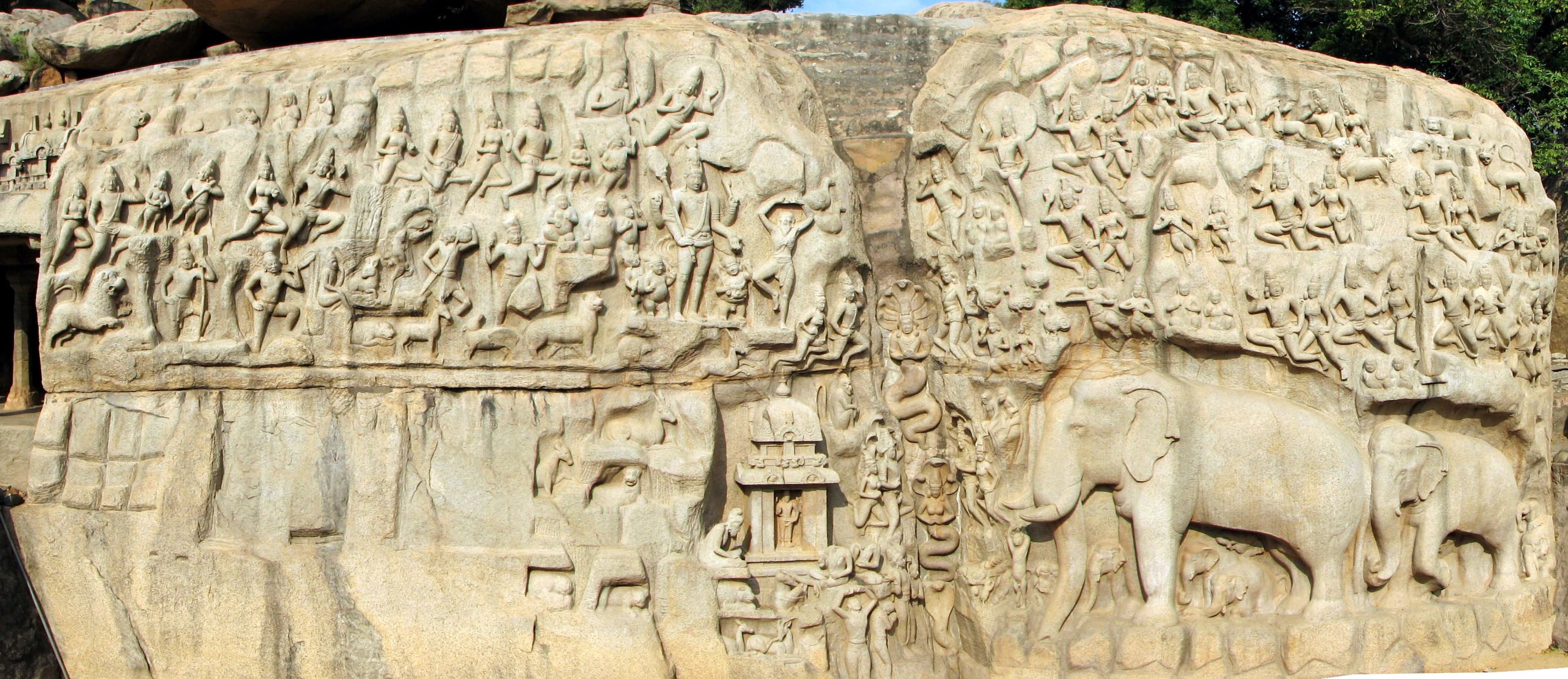
Varma vaidyam is described within the Siddha system, the Tamil tradition of medicine and one of the traditional systems India groups under AYUSH. Tamil tradition attributes the varmam texts to the sage Agastya and the Siddhars.
Recognition of a traditional system is not proof of any particular claim made for it. This page describes the tradition and what a session involves; it does not claim that varma therapy treats or cures any condition.
Ready to book?
Book online at a lineage centre in a few steps, or talk to the team first if you have a question about suitability.
For students and masters
Varma therapy is taught to students of the lineage and to masters, in person and under supervision. It is never taught as self-treatment. Ask about the course, and the team will call you to talk it through.
07References
Where to read more about the Siddha tradition that varma vaidyam belongs to.
08Questions
A practitioner discusses your concerns and explains the traditional manual techniques they propose to use. Ask questions before the session, and tell the practitioner immediately if any touch is uncomfortable.
Some points can feel tender when worked, but the techniques are generally gentle. The focus is on precision, not force, and you can tell your practitioner at any time if something is uncomfortable.
There is no universal number. Discuss the purpose, schedule, cost and limits of the traditional service before booking. Seek a qualified healthcare professional for diagnosis or treatment of a medical condition.
No. The service is presented as a traditional wellness practice and does not replace medical diagnosis, treatment or emergency care from a qualified healthcare professional.
Loose, comfortable clothing. The practitioner will explain what the techniques they propose involve, and you can ask for any adjustment.
Anyone who is pregnant, has had recent surgery or a fracture, takes blood-thinning medication, has osteoporosis or a heart condition, or has a symptom that has not been diagnosed. Speak to your doctor first.
No. Both involve pressure at points of the body, but Varma comes from the Tamil Siddha tradition, with its own texts, point names and methods, while acupressure comes from Chinese medicine.
Lemuria VAWO offers traditional Varma sessions at its lineage centres. Book a consultation on this page to see the centres taking bookings and their open days, or see the centre list on the Contact page.
Yes. Lemuria VAWO teaches Varma therapy to students of the lineage and to masters, in person and under supervision, usually after the foundations of the martial arts. It is never taught as self-treatment. Use Ask about the course on this page, and the team will call you.
Use Book a consultation on this page to request a session at a lineage centre, or send an enquiry. You can check a booking afterwards from the booking status page.
Related reading
Varma Vaidyam · The Healing Art